Spin and Break Metrics Transform Scouting in Minor League Baseball Pipelines
Written by Eden Lange · Aug 7, 2026
Spin and Break Metrics Transform Scouting in Minor League Baseball Pipelines
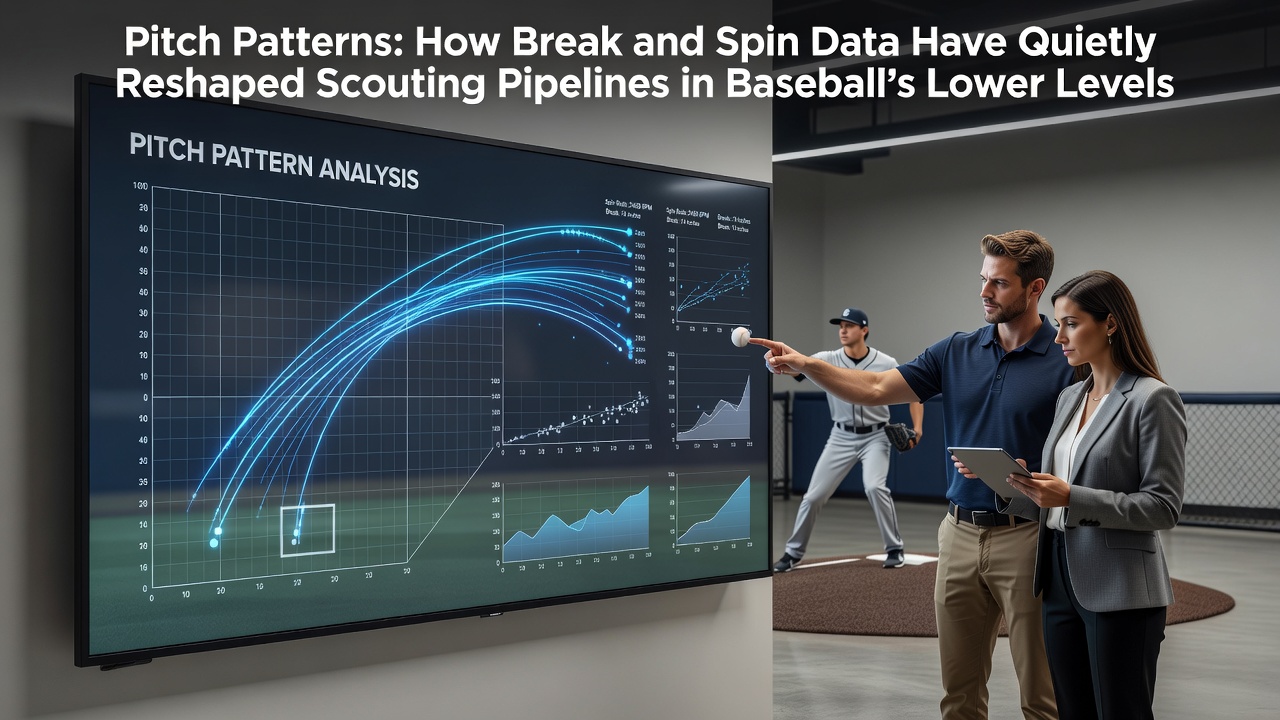
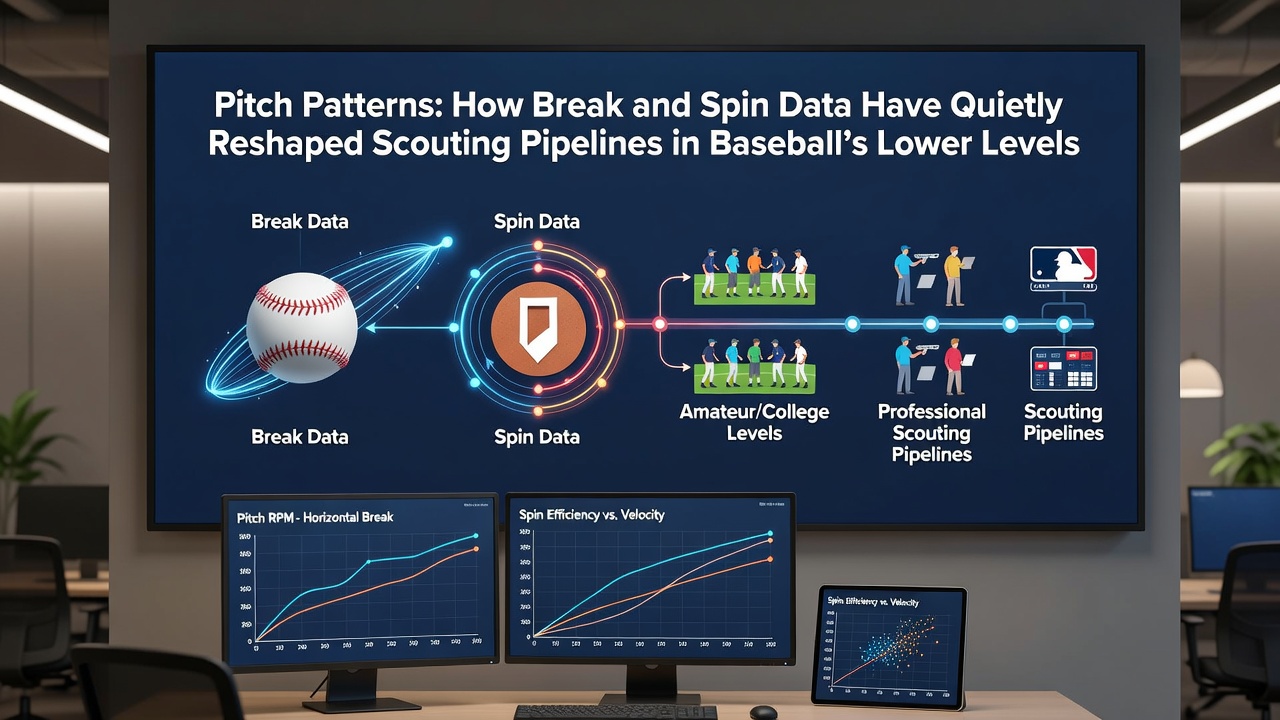
Break and spin data have become central tools in baseball scouting at lower levels, where organizations track pitch movement through systems like TrackMan and Rapsodo to evaluate prospects in the minors, college, and high school ranks; these measurements quantify vertical and horizontal movement along with spin rates, providing objective details that supplement traditional visual assessments.
Researchers at institutions such as the University of Waterloo have documented how spin axis and rate influence pitch trajectories, while break metrics reveal the extent of seam-shifted wake effects and Magnus force contributions; teams now integrate these figures into early evaluations, allowing scouts to identify pitchers whose movement profiles match successful major league patterns even before they reach Double-A.
Tracking Systems in Developmental Leagues
Lower-level affiliates began installing portable pitch-tracking units more widely after 2022, and by August 2026 most Class-A and rookie-league parks collected spin and break readings on every pitch; this expansion means data from hundreds of games per season feed directly into centralized databases that scouting departments review before live viewings.
Organizations cross-reference these readings with release-point coordinates and velocity, creating player cards that highlight outliers such as high-spin curveballs or sliders with unusual horizontal break; scouts then prioritize those athletes for in-person follow-up, reducing travel costs while increasing the precision of initial rankings.
College and Amateur Circuit Integration
College conferences adopted similar technology through partnerships with equipment providers, so that summer-league and Cape Cod League games now generate comparable datasets; high school showcases followed suit, with several national events supplying spin and break reports to subscribing teams.
These standardized numbers allow direct comparisons across regions, and analysts note that pitchers from non-traditional areas who post elite movement metrics receive earlier attention than in previous decades when geographic bias limited exposure.
Adjustments to Traditional Scouting Workflows
Scouting reports once relied primarily on arm strength, command, and delivery observations, yet movement data now supply an additional layer that quantifies deception and pitch effectiveness; front offices combine these elements into composite scores that influence draft order and signing bonuses.
One study published by Baseball Prospectus examined minor-league pitchers drafted between 2018 and 2023 and found that those whose breaking pitches exceeded league-average spin-adjusted break values advanced to the majors at higher rates than peers with similar velocity but lower movement metrics; the analysis underscores how organizations have recalibrated internal thresholds.
Player Development Feedback Loops
Coaches at lower levels use the same data streams to design targeted drills that enhance or maintain desired spin characteristics and break shapes; pitchers receive weekly reports showing changes in axis tilt or seam orientation, enabling micro-adjustments that previously depended on subjective feel alone.
Organizations track longitudinal trends across an entire season, noting that pitchers who stabilize their spin rates while increasing break often improve strikeout percentages in subsequent outings; this iterative process has shortened the timeline from raw prospect to refined contributor in several documented cases.
Geographic and Organizational Variations
International scouting pipelines have incorporated portable units during showcase events in Latin America and Asia, generating movement data that teams compare against domestic benchmarks; differences in training methods and ball construction occasionally produce distinct spin profiles that require contextual interpretation.
Some clubs maintain dedicated data analysts at each affiliate to interpret readings in real time, whereas others centralize processing at headquarters; both approaches rely on the same core measurements, yet the speed of integration varies by organizational resources and philosophy.
Conclusion
Break and spin data continue to expand their role within baseball's lower-level scouting networks, supplying measurable criteria that complement on-field observation and historical performance records; as tracking coverage widens through 2026 and beyond, pipelines at every tier integrate these metrics into routine evaluations that shape draft selections, signing decisions, and early-career development plans.