Silent Advances Revolutionizing Recovery in Professional Sports
Written by Quinn Baumann · Jun 19, 2026
Silent Advances Revolutionizing Recovery in Professional Sports
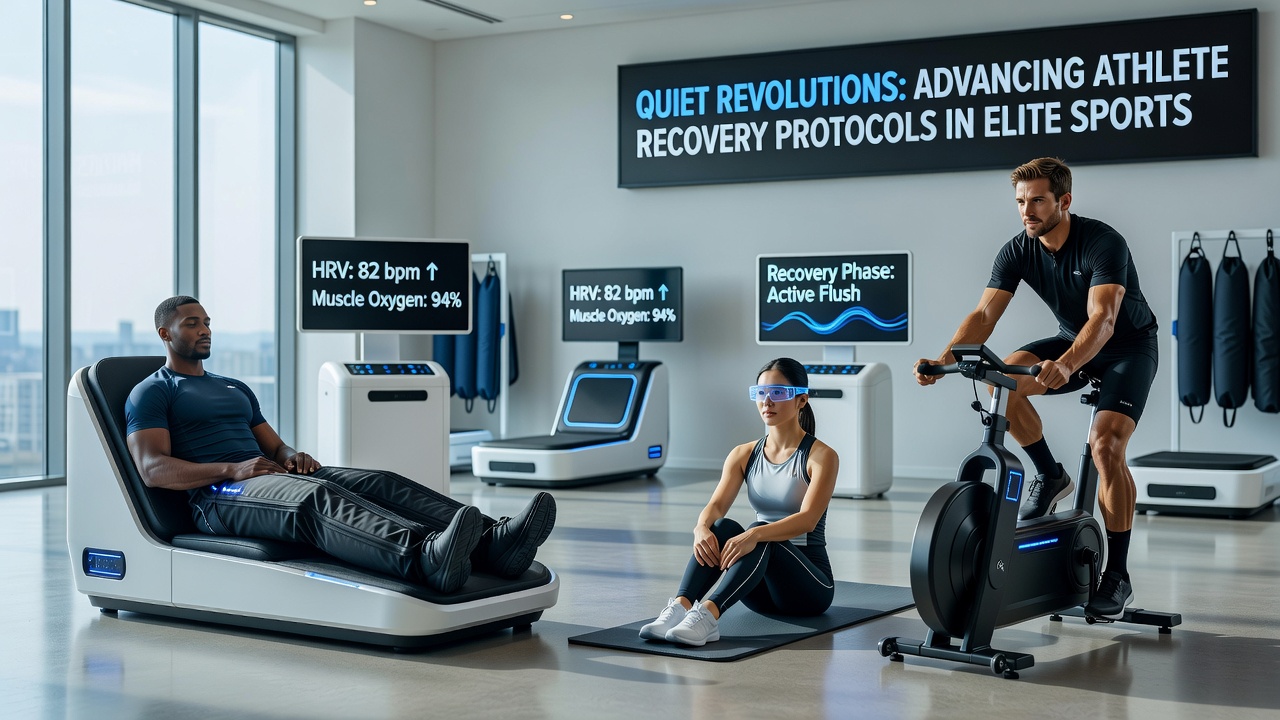
Elite sports organizations have implemented incremental changes to athlete recovery protocols over recent years, focusing on data integration and individualized approaches that build upon established practices in sleep science, load monitoring, and therapeutic interventions. These adjustments occur across major leagues including the NFL, NBA, Premier League, and NHL, where teams prioritize measurable outcomes in rest and regeneration rather than dramatic overhauls.
Organizations track variables such as heart rate variability and sleep stages through wearable devices, allowing staff to adjust training loads accordingly. Research from the Australian Institute of Sport indicates that consistent monitoring of these metrics correlates with reduced injury rates in high-performance environments, particularly when protocols align with athletes' circadian rhythms during travel-heavy schedules.
Monitoring Systems and Load Management
Teams deploy integrated platforms that combine GPS data with physiological readings to fine-tune daily regimens, and this approach has gained traction since the mid-2010s. Players in the NBA, for instance, receive personalized thresholds based on accumulated workloads, while similar systems in European soccer clubs incorporate GPS and accelerometer outputs to flag overreaching patterns early. Observers note that these tools enable proactive rest periods without disrupting overall preparation cycles.
Data from the German Football League shows that clubs adopting centralized recovery dashboards report fewer soft-tissue issues during congested fixture periods, as staff use aggregated figures to redistribute sessions across squads. The method connects training volume directly to recovery markers, creating feedback loops that adjust intensity in real time rather than relying on fixed calendars.
Sleep Optimization Protocols
Focus on sleep environments has intensified, with facilities incorporating blackout curtains, temperature controls, and scheduled napping blocks tailored to match game times across time zones. Studies conducted by researchers at the University of Queensland demonstrate that extending sleep duration by even one hour nightly improves reaction times and reduces perceived fatigue in endurance and team sport athletes alike. Leagues now supply portable sleep pods during away trips, and organizations enforce consistent bedtime routines supported by light exposure guidelines.
By June 2026 several NHL franchises had expanded these measures to include melatonin timing aligned with flight arrivals, while Premier League sides integrated bedroom monitoring apps that feed directly into medical databases. Such steps build on earlier findings that link disrupted sleep to elevated injury risks, prompting standardized checklists for travel recovery.
Therapeutic Modalities and Nutrition Timing
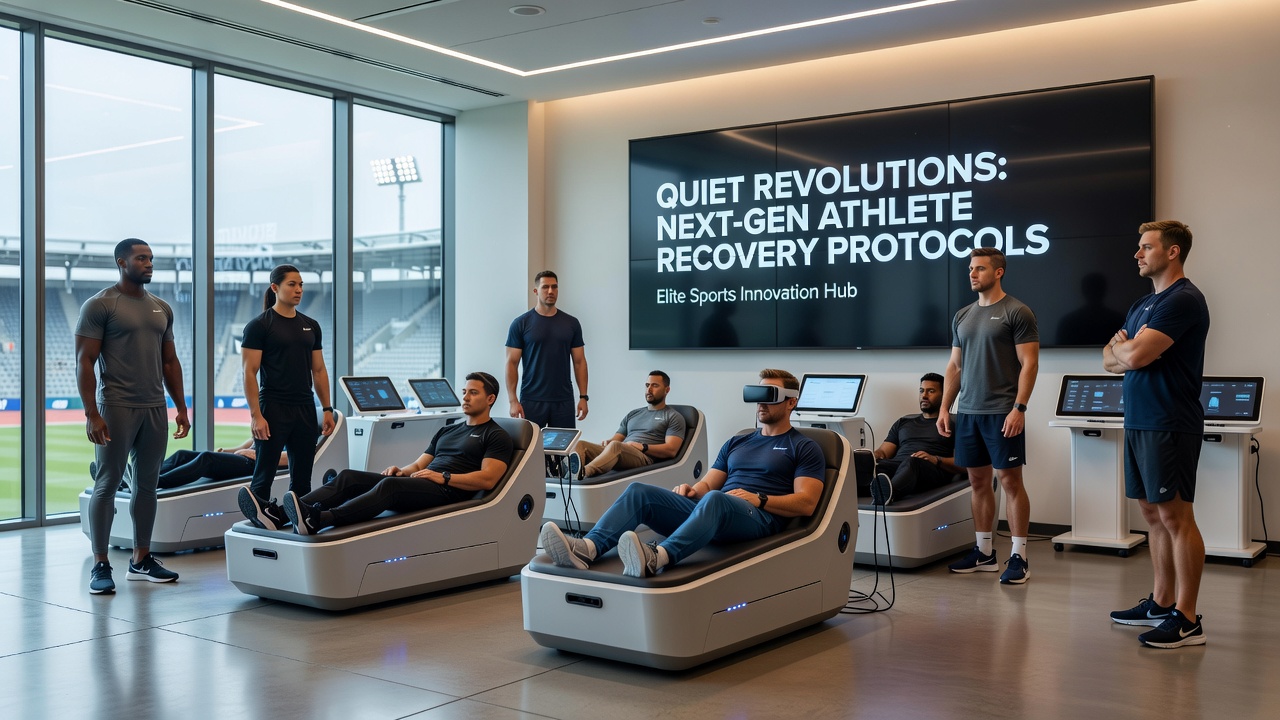
Recovery suites feature sequenced therapies including compression garments, contrast baths, and pneumatic devices that target specific muscle groups post-exertion. Nutrition protocols emphasize timed carbohydrate and protein intake within 30-minute windows after sessions, supported by evidence from Canadian Sport Institute Pacific reports that highlight improved glycogen replenishment rates under controlled conditions. Staff coordinate these elements with hydration tracking via urine-specific gravity tests conducted multiple times daily.
European basketball organizations have adopted similar frameworks, layering cryotherapy sessions onto existing physiotherapy schedules while monitoring inflammatory markers through blood panels. The combined approach avoids isolated treatments in favor of synchronized plans that address multiple recovery pathways simultaneously, and figures from league-wide health databases reveal gradual declines in missed games attributable to fatigue-related causes.
Integration Across Organizations
Cross-sport collaborations have emerged through shared research consortia, where findings from one league inform adaptations in another. For example, protocols developed for American football linemen now appear in modified forms within rugby union programs, emphasizing neck and shoulder recovery alongside lower-body work. Medical departments exchange anonymized datasets under confidentiality agreements, accelerating refinements without public disclosure of proprietary methods.
Implementation varies by budget and staffing levels, yet even mid-tier clubs incorporate core elements such as mandatory cool-down routines and digital logging of subjective wellness scores. These practices create baseline records that support long-term athlete development and contract negotiations alike.
Conclusion
Recovery protocols continue to evolve through layered, technology-assisted adjustments rather than wholesale replacements of traditional methods. Organizations maintain records of outcomes that guide future iterations, ensuring that changes remain grounded in observable performance and health indicators across elite levels of competition.