Night Game Shifts: How Artificial Lighting Transformed Scoring Patterns and Player Durability Across Outdoor Leagues
Written by Eden Lange · Aug 2, 2026
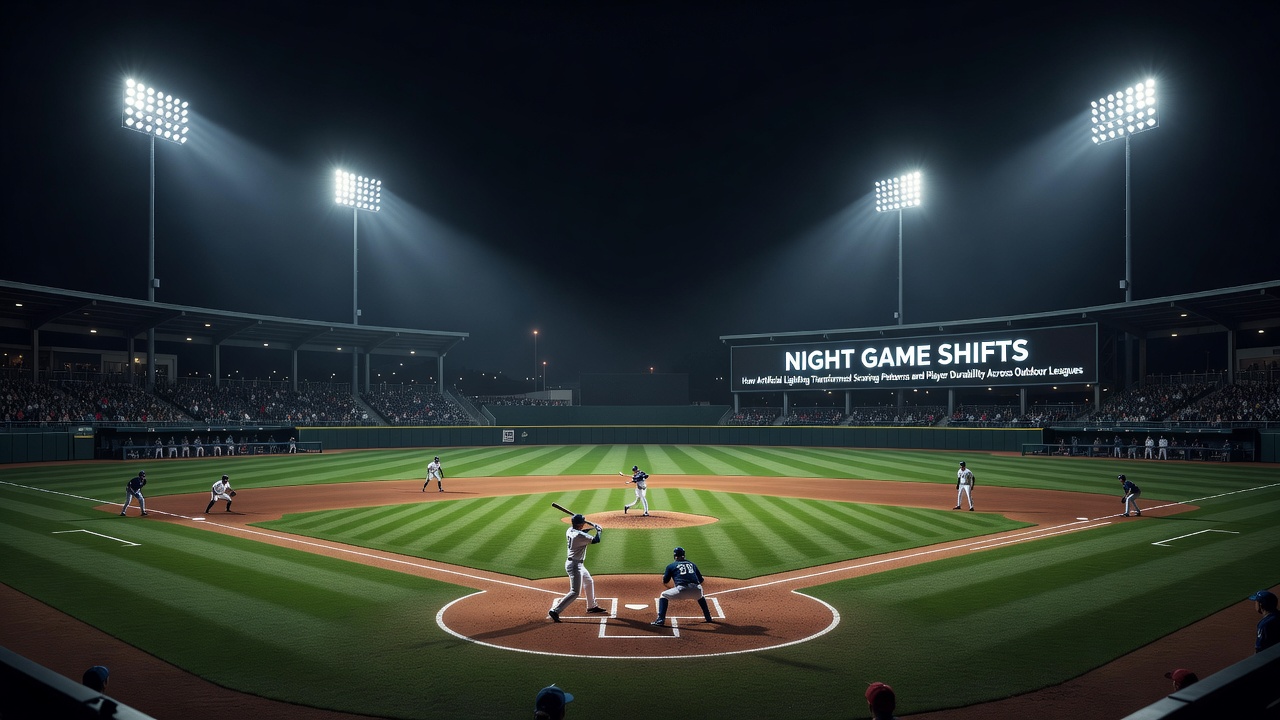
Night Game Shifts: How Artificial Lighting Transformed Scoring Patterns and Player Durability Across Outdoor Leagues
Artificial lighting entered professional outdoor sports in the 1930s and quickly altered game schedules along with performance metrics in leagues such as Major League Baseball and the National Football League. Early installations at venues like Crosley Field in Cincinnati allowed the first MLB night game on May 24 1935 and set the stage for expanded evening play that reshaped both scoring trends and athlete recovery demands.
Leagues adopted night games to boost attendance and revenue yet the shift brought measurable changes in play. Data from MLB historical records show home run rates rose under lights in certain ballparks because of reduced wind interference and consistent visibility compared with afternoon shadows. Researchers tracking statistics across decades note that night games often produced higher scoring outputs in the early years of widespread adoption while player fatigue patterns emerged as travel and rest cycles adjusted to later start times.
Early Adoption and Scheduling Changes
Outdoor leagues expanded night contests gradually through the mid-twentieth century and by the 1950s most MLB teams scheduled multiple evening games each week. The NFL followed a similar path with Monday Night Football launching in 1970 which standardized prime-time broadcasts and increased the number of games played under artificial illumination. These adjustments allowed teams to accommodate larger crowds but they also compressed recovery windows between contests and altered training regimens for position players and pitchers alike.
Studies conducted by sports medicine groups in the United States and Australia indicate that athletes competing under lights experienced shifts in circadian rhythms which affected sleep quality and muscle repair. Figures from league medical reports reveal elevated rates of soft-tissue injuries during seasons with heavy night schedules particularly when teams played consecutive evening games followed by day travel.
Scoring Patterns Under Artificial Light
Statistical analyses of game data reveal distinct differences between day and night contests across baseball and football. In MLB night games from the 1980s onward batting averages in low-light conditions sometimes improved because of reduced glare from the sun yet strikeout rates climbed in certain parks due to altered depth perception under high-intensity lamps. NFL records show passing yards per game increased during evening matchups as quarterbacks benefited from consistent field illumination that minimized shadow interference on routes.
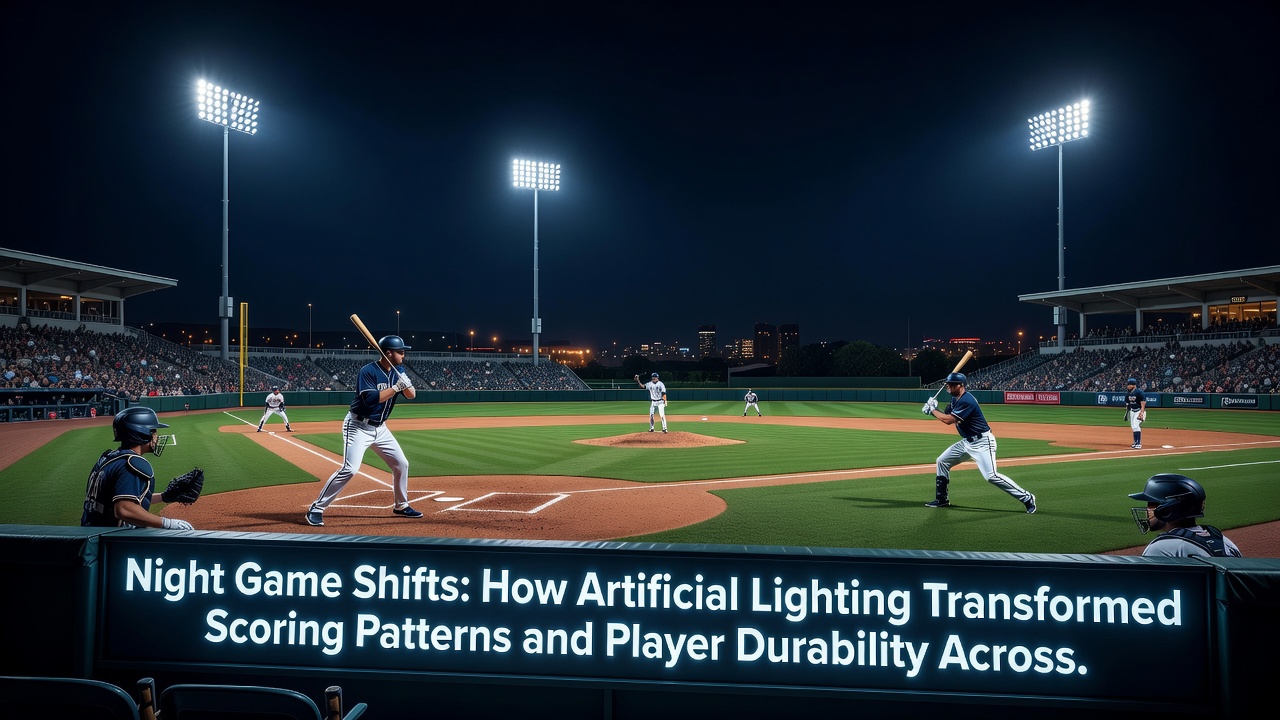
European soccer leagues adopted floodlights later than North American counterparts and data from the Premier League demonstrates similar trends where goal tallies rose modestly in evening fixtures once lighting quality standardized. Observers note that consistent illumination reduced errors from uneven visibility while also allowing referees to maintain tighter control over physical play late in matches.
Player Durability and Recovery Impacts
Longer seasons packed with night games placed new stresses on athlete bodies. Research from Canadian sports institutes highlights increased reports of delayed onset muscle soreness among players who competed under artificial lights and then traveled across time zones. League health protocols evolved to include mandatory rest periods and sleep monitoring programs that addressed the cumulative effects of disrupted natural light cycles.
Case studies from MLB teams in the 2000s show that starting pitchers scheduled for night starts required adjusted bullpen sessions and nutrition plans to maintain arm durability. Data collected by the league's injury surveillance system indicates a correlation between frequent evening appearances and higher instances of elbow and shoulder issues although improved conditioning methods have mitigated some risks in recent years.
Technological Advances and Modern Adjustments
LED lighting systems introduced in the 2010s offered better color rendering and reduced flicker compared with earlier metal halide fixtures. These upgrades allowed umpires and officials clearer sightlines while broadcasters gained improved camera performance during live evening coverage. Leagues continue to refine illumination standards with input from governing bodies such as the International Olympic Committee and national athletic federations to balance performance needs with player welfare.
Current schedules in August 2026 reflect ongoing efforts to manage night game loads through balanced home and away patterns that incorporate more day contests during summer months when heat indices remain high. Teams use biometric data to track recovery metrics and adjust lineups accordingly which helps sustain durability across extended campaigns.
Conclusion
Artificial lighting fundamentally changed how outdoor leagues structure games and support athlete performance. Historical records and contemporary data demonstrate shifts in scoring outputs alongside evolving approaches to player recovery that continue to adapt as technology and medical understanding advance.