Gear That Made History: Tracing the Influence of Innovative Equipment on Record-Breaking Performances
Written by Yves Hoffmann · Jun 2, 2026
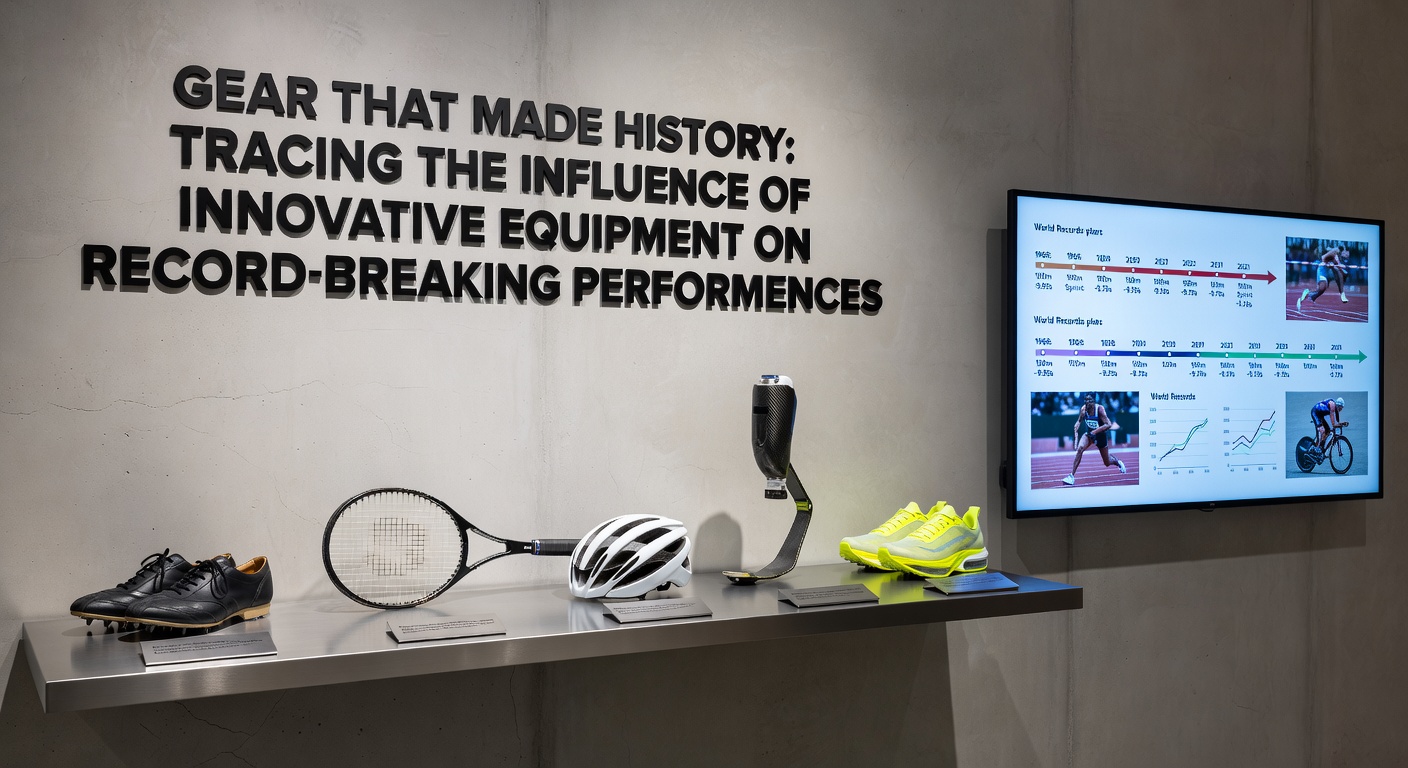
Gear That Made History: Tracing the Influence of Innovative Equipment on Record-Breaking Performances
Equipment innovations have repeatedly shifted the boundaries of athletic achievement across multiple disciplines, and observers note how specific advancements in materials and design directly correlate with measurable performance gains. Researchers have documented cases where new gear enabled athletes to surpass previous benchmarks that stood for decades, while governing bodies responded with regulatory adjustments to maintain competitive equity.
Data from international competitions reveals patterns in how equipment changes coincide with record clusters. For instance, the introduction of fiberglass poles in pole vaulting during the early 1960s produced immediate height increases, and similar jumps occurred after the adoption of clap skates in speed skating events. These shifts occurred because the new tools altered force application and energy transfer mechanics in ways that prior versions could not achieve.
Material Science Breakthroughs and Their Timeline
Carbon fiber composites entered cycling and rowing equipment in the 1980s, and studies from the International Olympic Committee archives show how frame stiffness and weight reduction translated into faster times on both track and water. Engineers refined layup techniques over subsequent years, which allowed further incremental gains without violating equipment specifications. The same material later appeared in tennis rackets and baseball bats, where vibration dampening and swing speed improvements followed documented trajectories in performance metrics.
Polyurethane swimsuits debuted at the 2008 Beijing Games and produced a cluster of world records that prompted FINA to implement new textile rules effective in 2010. Records set during that window remain in official lists, yet subsequent swims under tighter regulations demonstrate that training and technique still drive the majority of long-term progress. Observers note parallel developments in winter sports, where early composite ski designs from European manufacturers altered edge control and turn radii on alpine courses.
Case Examples Across Disciplines
One study from the Australian Institute of Sport examined how helmet aerodynamics in track cycling contributed to time trial improvements at the 2004 and 2008 Olympic cycles. Wind tunnel data collected by the organization quantified drag reductions that aligned with medal-winning margins. Similar aerodynamic work in bobsled runners and sled shells produced measurable speed differentials tracked by the International Bobsleigh and Skeleton Federation.

In baseball, the transition to aluminum bats in collegiate play during the 1970s altered exit velocities, and governing bodies later introduced performance standards to moderate those effects. Major League Baseball retained wood bats at the professional level, yet the data on bat construction continues to inform safety protocols and equipment testing laboratories. Golf club evolution followed a comparable regulatory path, with the United States Golf Association and R&A establishing limits on spring-like effect after titanium driver faces appeared in the late 1990s.
Researchers at Loughborough University have published findings on how prosthetic limb components affect sprint mechanics in Paralympic events. Their work tracks energy return percentages across different blade designs and shows direct relationships between component stiffness and recorded times. These studies inform classification systems while documenting how equipment specifications influence outcomes within each category.
Regulatory Responses and Ongoing Developments
Sports federations maintain equipment approval processes that balance innovation with fairness. The International Skating Union updated skate blade specifications multiple times after clap skate records emerged, and similar reviews occur in swimming, athletics, and cycling whenever new materials enter competition. These reviews rely on laboratory testing protocols that measure parameters such as rebound coefficient, drag coefficient, and structural integrity under load.
June 2026 brings renewed attention to sustainability standards in equipment manufacturing, as several federations evaluate recycled carbon fiber options for upcoming championship cycles. Reports from the Union Cycliste Internationale indicate pilot programs already underway with select national teams, and performance data from these trials will shape future homologation criteria. The shift reflects broader industry trends without altering the core relationship between equipment properties and measurable athletic output.
Conclusion
Equipment history demonstrates consistent patterns where material and design changes produce measurable performance shifts that governing bodies then codify through updated rules. Records set under previous specifications remain part of the historical record, while current athletes operate within frameworks that incorporate lessons from those earlier transitions. Continued monitoring by research institutions and federations ensures that future innovations undergo similar scrutiny before widespread adoption.