From the Sidelines to Stardom: Undrafted Journeys Across Football, Basketball, and Baseball
Written by Eden Lange · May 24, 2026
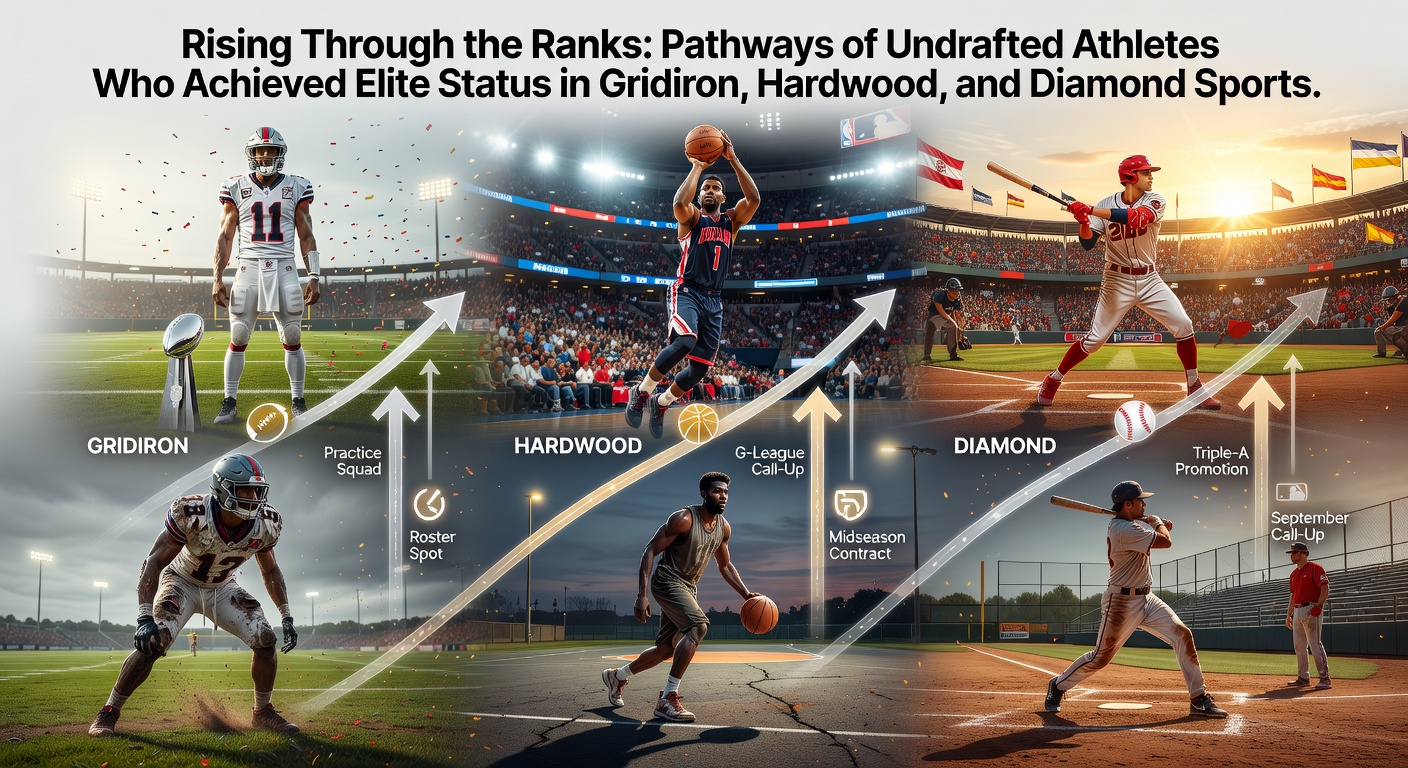
From the Sidelines to Stardom: Undrafted Journeys Across Football, Basketball, and Baseball
Undrafted athletes often navigate longer roads to professional success in the NFL, NBA, and MLB, and their stories reveal consistent patterns of persistence, skill development, and opportunity recognition across these major leagues. Data from league records shows that while most players enter through drafts, a notable subset signs as free agents after going unselected, with some reaching All-Star, Pro Bowl, or championship levels through targeted performance in practice squads, minor leagues, or overseas circuits.
Research from sports performance institutes indicates that undrafted pathways frequently involve initial rejection followed by rapid adaptation, whether in gridiron trenches, hardwood rotations, or diamond lineups. Observers note that timing plays a key role, as injuries to drafted teammates or roster needs during training camp open doors that undrafted players then widen with consistent production.
Gridiron Routes in the NFL
Football provides some of the clearest examples of undrafted elevation, with players like Kurt Warner signing after stints in the Arena League and NFL Europe before leading the St. Louis Rams to a Super Bowl title in 2000, according to official league archives. James Harrison followed a similar trajectory, moving from the practice squad to becoming the NFL Defensive Player of the Year in 2008 while anchoring the Pittsburgh Steelers defense during their championship run.
Those who've studied roster construction know that undrafted defensive ends and linebackers often excel because teams prioritize measurable traits in the draft yet overlook players who refine technique later. Recent figures from the NFL Players Association reveal that roughly 10-15 percent of active rosters in any given season include undrafted contributors, many of whom accumulate Pro Bowl selections over multiple years.
Hardwood Pathways in the NBA
Basketball showcases parallel progressions where undrafted guards and forwards secure roles through summer league dominance and G League assignments. Players such as Fred VanVleet transitioned from undrafted status with the Toronto Raptors to becoming an All-Star point guard, logging over 10,000 career minutes by emphasizing playmaking and perimeter defense. Similarly, Austin Rivers, though drafted, contrasts with undrafted peers like Khris Middleton's early development path before his eventual stardom, though Middleton himself entered via the second round.
Studies conducted at North American universities on player development highlight how undrafted NBA athletes often refine shooting mechanics and decision-making in lower-tier leagues before earning rotation spots. League tracking data shows that several undrafted players have started in NBA Finals games, underscoring how bench production and defensive versatility create value beyond initial scouting reports.
Diamond Opportunities in MLB
Baseball extends these patterns through minor league seasoning and September call-ups, where undrafted position players and pitchers earn extended looks after strong performances in rookie or high-A ball. Examples include players like Jose Bautista, who began as an undrafted international signee before evolving into a multiple-time All-Star outfielder with the Toronto Blue Jays, per historical MLB transaction logs. Pitchers such as Rich Hill navigated independent leagues and multiple organizations before stabilizing as a reliable starter in his late 30s.
What's interesting is how advanced analytics have expanded chances for undrafted talent, allowing teams to identify overlooked velocity or exit velocity metrics that traditional scouting missed. Reports from baseball research organizations indicate that undrafted hitters who reach the majors often post comparable on-base percentages to mid-round draftees once they secure everyday roles.
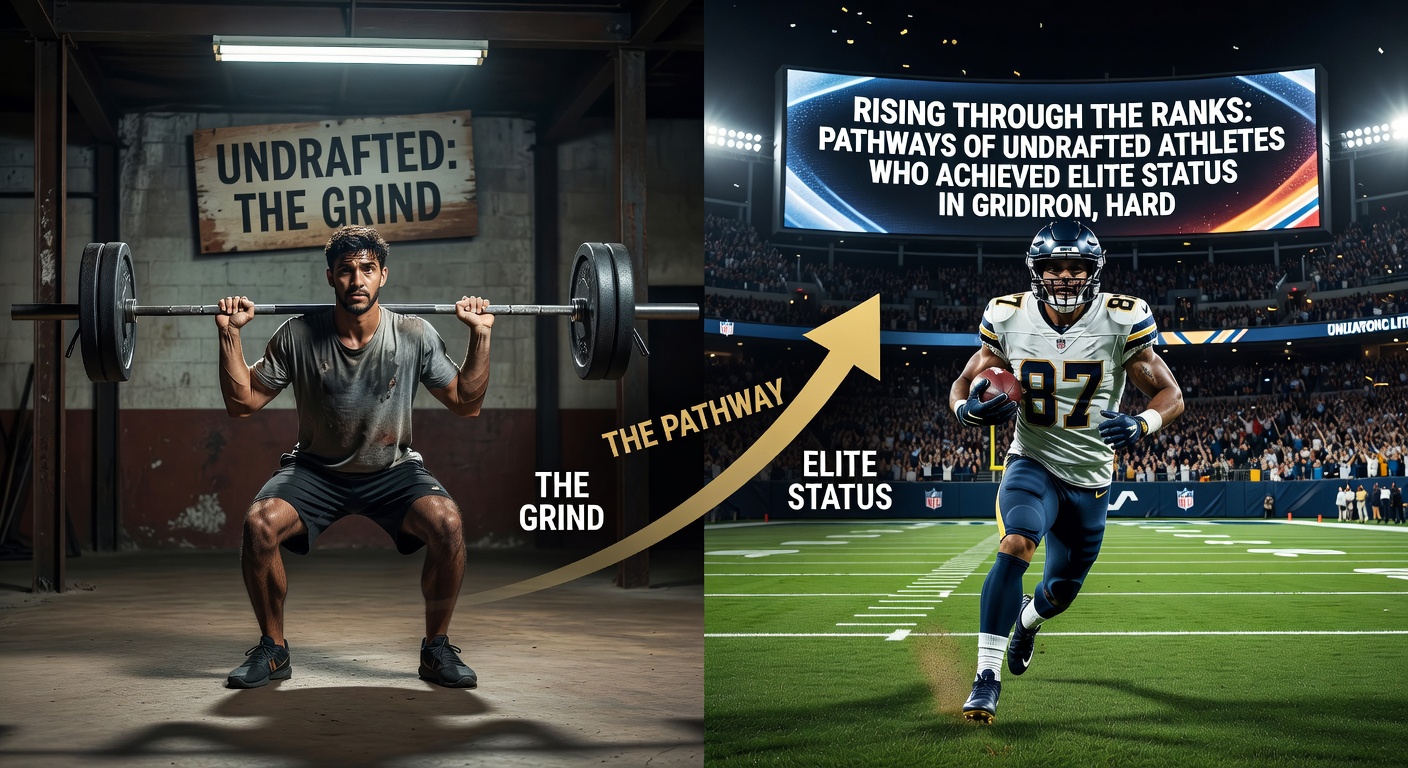
Across all three sports, common threads emerge in how undrafted athletes leverage specialized training programs and mental conditioning to bridge gaps. International scouting networks now feed additional talent pools, with players from non-traditional backgrounds signing after strong showings in showcases or collegiate walk-on positions.
Shared Patterns and Modern Context
League expansion and rule changes continue to influence these pathways, particularly as organizations prioritize depth during extended seasons. In May 2026, ongoing roster evaluations across the NFL, NBA, and MLB will likely spotlight additional undrafted contributors amid injury recoveries and performance slumps. Industry reports from groups like the European Sports Science Association note that data-driven evaluations increasingly reward athletes who demonstrate adaptability rather than raw athletic profiles alone.
Take one researcher who analyzed career trajectories and found that undrafted players who reach elite status average longer tenures in their sports compared to early draft picks, largely because they develop broader skill sets during extended development periods. This reality holds in gridiron schemes requiring versatile linemen, hardwood systems valuing two-way contributors, and diamond lineups needing platoon options.
Conclusion
Undrafted success ultimately depends on alignment between individual preparation and organizational needs, with historical records confirming repeatable outcomes across decades. Those tracking these sports observe that continued investment in developmental leagues sustains the pipeline, allowing talent from varied entry points to compete at the highest levels without initial draft validation.