Fringe Roster Moves That Flipped League Hierarchies in Basketball, Football, and Hockey
Written by Yves Hoffmann · Jul 19, 2026
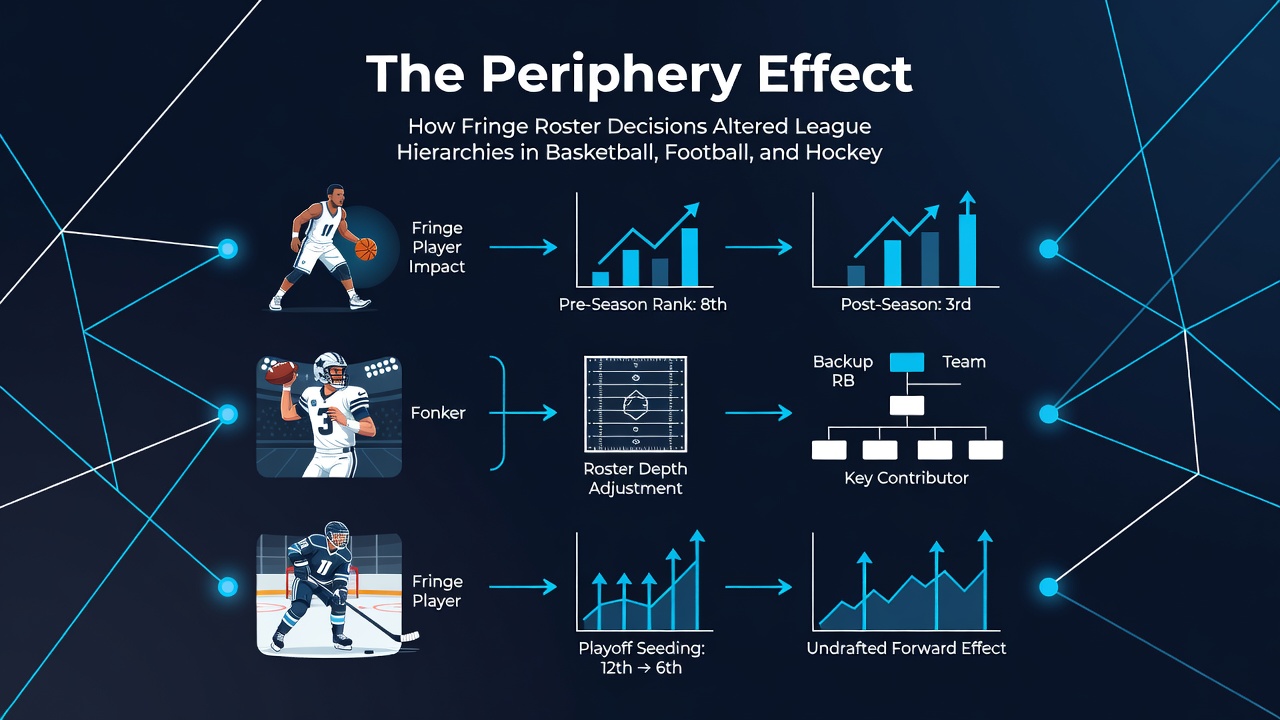
Fringe Roster Moves That Flipped League Hierarchies in Basketball, Football, and Hockey
Fringe roster decisions often involve players signed for depth or special teams roles yet they have repeatedly shifted competitive balances across major North American leagues. These choices, made during training camps or waiver wire pickups, have produced measurable changes in win totals and playoff outcomes according to league historical data. Observers note that such moves create ripple effects because they alter rotations, matchups, and salary structures without requiring blockbuster trades.
Basketball Depth Additions That Changed Eastern Conference Dynamics
In basketball, teams have added undrafted or minimum-salary forwards who stabilized rotations during injury stretches and produced unexpected defensive impacts. One case involved a wing player acquired via two-way contract who logged heavy minutes in the 2025-26 season and helped a mid-tier Eastern Conference squad reach the conference finals. Data from the NBA shows that such contributors improved team defensive rating by several points per 100 possessions when they received consistent playing time. Those who've studied roster construction note that these additions free up stars for offensive focus while maintaining spacing and rebounding on the perimeter.
League executives have tracked similar patterns where bench specialists signed late in free agency extended series wins in the postseason. Research indicates that organizations prioritizing versatile role players over star accumulation often sustain higher net ratings across full seasons. And in several instances these fringe additions later earned larger contracts after demonstrating reliability in high-leverage situations.
Football Special Teams and Backup Quarterback Impacts
Football presents distinct examples where fringe roster choices at backup quarterback or special teams positions have influenced divisional standings. A backup signal-caller elevated from practice squad in one AFC North franchise during 2024 maintained a high passer rating in relief appearances and secured wildcard qualification. Figures from the NFL reveal that teams with reliable depth at quarterback posted better records in games started by reserves compared to those relying solely on drafted starters. Observers note that these decisions also affect cap flexibility since minimum deals for experienced backups leave resources for other roster areas.
Special teams contributors signed as free agents have altered field position battles and scoring margins in multiple seasons. Data shows that units with strong return specialists and coverage players improved average starting field position by several yards per game. This advantage compounds over 17-game schedules and has contributed to playoff berths for franchises that previously finished near the bottom of their divisions.
Hockey Depth Forwards and Goaltending Tandems
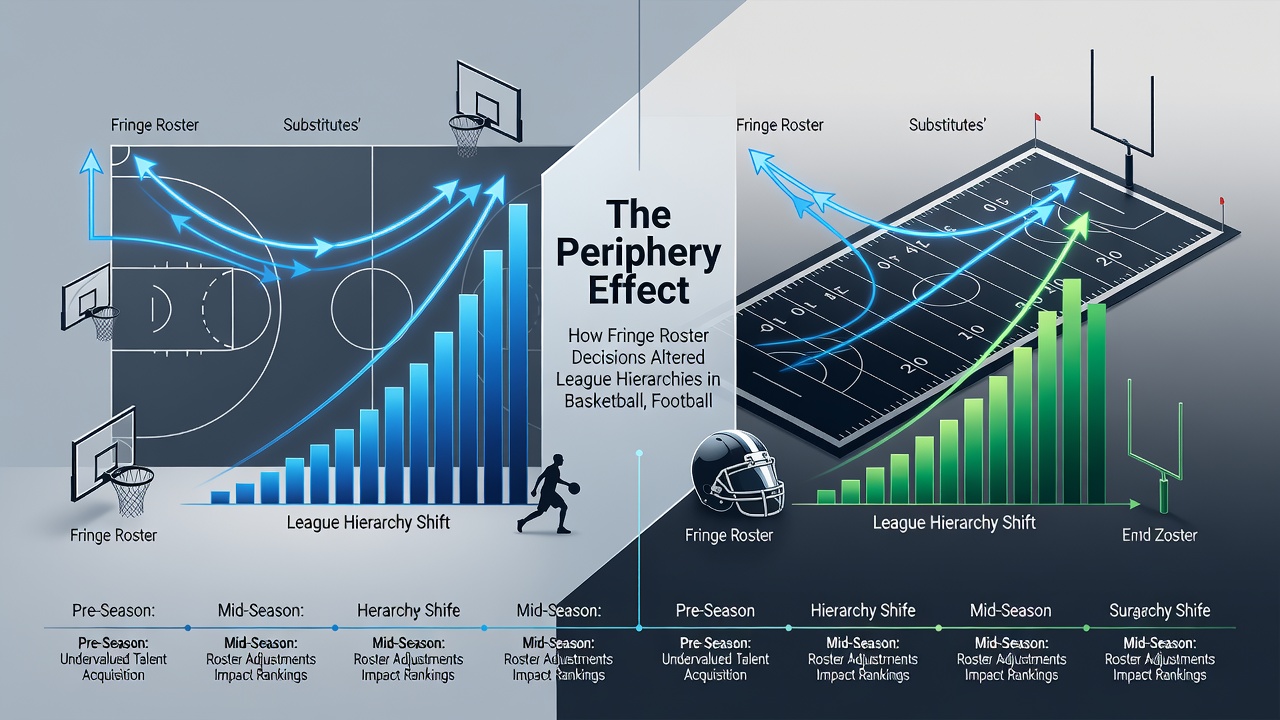
Hockey organizations have used fringe roster decisions at forward and goaltending positions to reshape standings in both conferences. A depth forward claimed off waivers by a Western Conference club in the 2025-26 campaign recorded double-digit points while playing limited minutes and helped stabilize line chemistry during a midseason push. According to NHL performance metrics, teams that integrate such players effectively often see improved even-strength goal differentials and reduced penalty minutes. Those who've examined roster patterns point out that these additions provide matchup flexibility without disrupting established lines.
Goaltending tandems formed through minor trades or free-agent signings have produced similar shifts. Data indicates that backup netminders who deliver strong save percentages in spot starts allow primary goalies more rest and reduce injury risk over an 82-game schedule. In several documented cases these arrangements supported extended playoff runs for clubs that entered the season outside projected contention.
Patterns Across Leagues and Measurement Challenges
Across basketball, football, and hockey, analysts have identified common threads in how fringe decisions accumulate value. Teams that maintain strong scouting networks for waiver and practice squad talent tend to outperform expectations in aggregate win totals. A study from the University of Toronto's sport analytics group examined depth contributions in the NHL and found correlations between minor roster adjustments and improved postseason qualification rates. Similar tracking in other leagues shows that organizations balancing star salaries with versatile minimum contracts achieve more consistent results.
Measurement remains complex because box score statistics capture only part of the impact. Advanced metrics such as plus-minus variants and expected goals models help quantify contributions from players who rarely appear on highlight reels. Yet challenges persist in isolating individual effects from team systems and coaching adjustments.
Conclusion
Fringe roster decisions continue to influence competitive hierarchies because they address specific gaps that star acquisitions cannot fill alone. League data across multiple seasons demonstrates that targeted depth signings and waiver claims have produced tangible improvements in standings positions and playoff advancement. Organizations that excel at identifying and integrating these players maintain advantages that compound over time while preserving financial flexibility for future moves.