Expansion Ripples Through the Ranks: New Franchises Force Draft Recalibrations in North American Leagues
Written by Yves Hoffmann · Aug 21, 2026
Expansion Ripples Through the Ranks: New Franchises Force Draft Recalibrations in North American Leagues
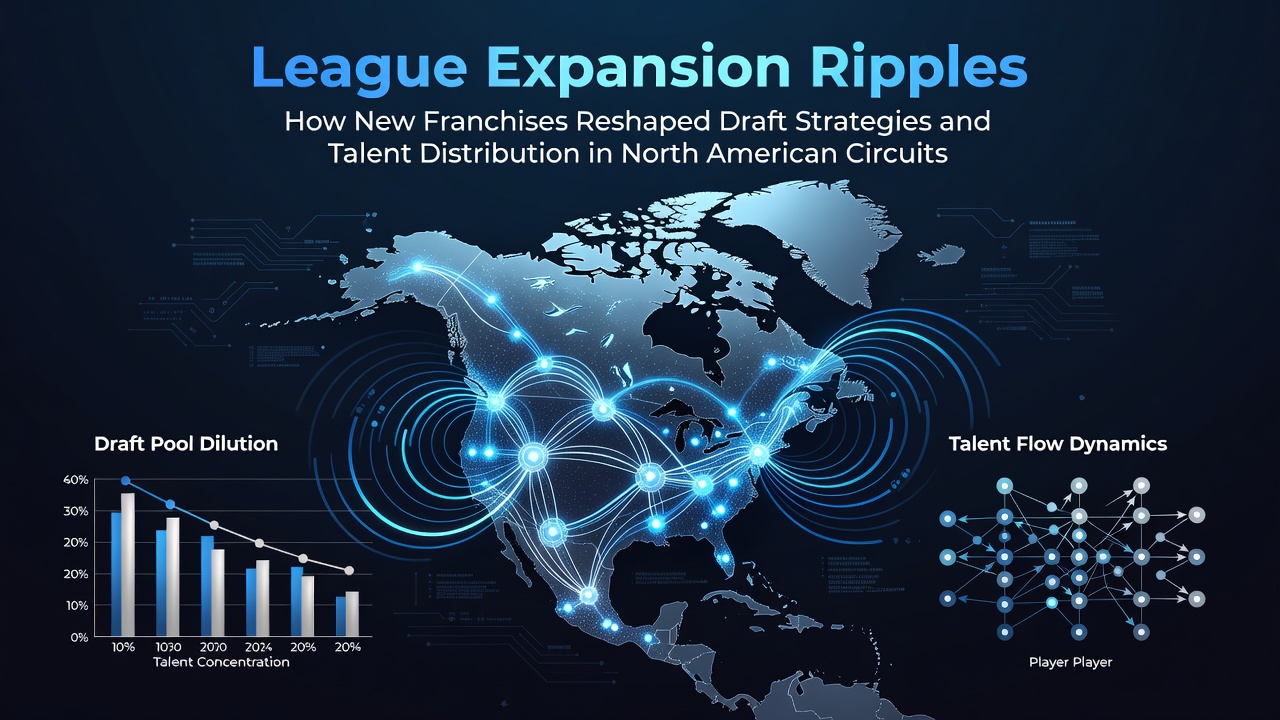
League expansions in North American circuits have created measurable shifts in draft strategies, and observers note these changes ripple across talent pools in the NHL, NBA, NFL, and MLB. New teams receive elevated draft picks and expansion draft protections that alter how front offices plan selections years ahead, while data from league records shows redistribution of young players toward emerging markets in cities like Seattle and Las Vegas.
Historical Patterns in Expansion Draft Mechanics
Expansions grant new franchises the right to select players from existing rosters under specific rules, and this process forces established clubs to expose talent they might otherwise protect. The NHL's 2017 addition of the Vegas Golden Knights introduced a draft format where the new team could claim one player from each opposing roster with limits on goalies and high-salary contracts, leading to a roster built around overlooked contributors rather than top picks. Similar mechanics appeared in the 2021 Seattle Kraken expansion, where rules required teams to protect either seven forwards and three defensemen or eight skaters plus a goalie, which changed protection lists and exposed mid-tier prospects across teh league.
These rules extend beyond the expansion draft itself, since new teams also receive priority in the entry draft through lottery positioning or additional selections. Research from sports management programs at institutions such as the University of Waterloo indicates that expansion clubs often trade these assets strategically, spreading young talent to different markets and preventing concentration in traditional powerhouses.
Adjustments in Scouting and Draft Room Priorities
Front offices respond to expansions by recalibrating scouting networks and valuation models, and analysts track how teams now emphasize depth at positions likely to be exposed. In the NHL, teams increased focus on European and college prospects because expansion rules sometimes shield fewer international players, according to entry draft data compiled through 2025. The NBA has seen parallel adjustments during discussions of potential future growth, where new franchises could claim players under salary cap exceptions that force existing clubs to accelerate development timelines for rookies.
One study released by the Canadian Centre for Sport Analytics examined talent flow after the Vegas and Seattle additions and found measurable increases in trades involving draft picks from expansion-affected teams, as organizations sought to replenish depleted prospect pipelines. This redistribution spreads high-upside players across more markets, which in turn influences free agency decisions and long-term roster construction.
Talent Distribution Across Geographic Markets
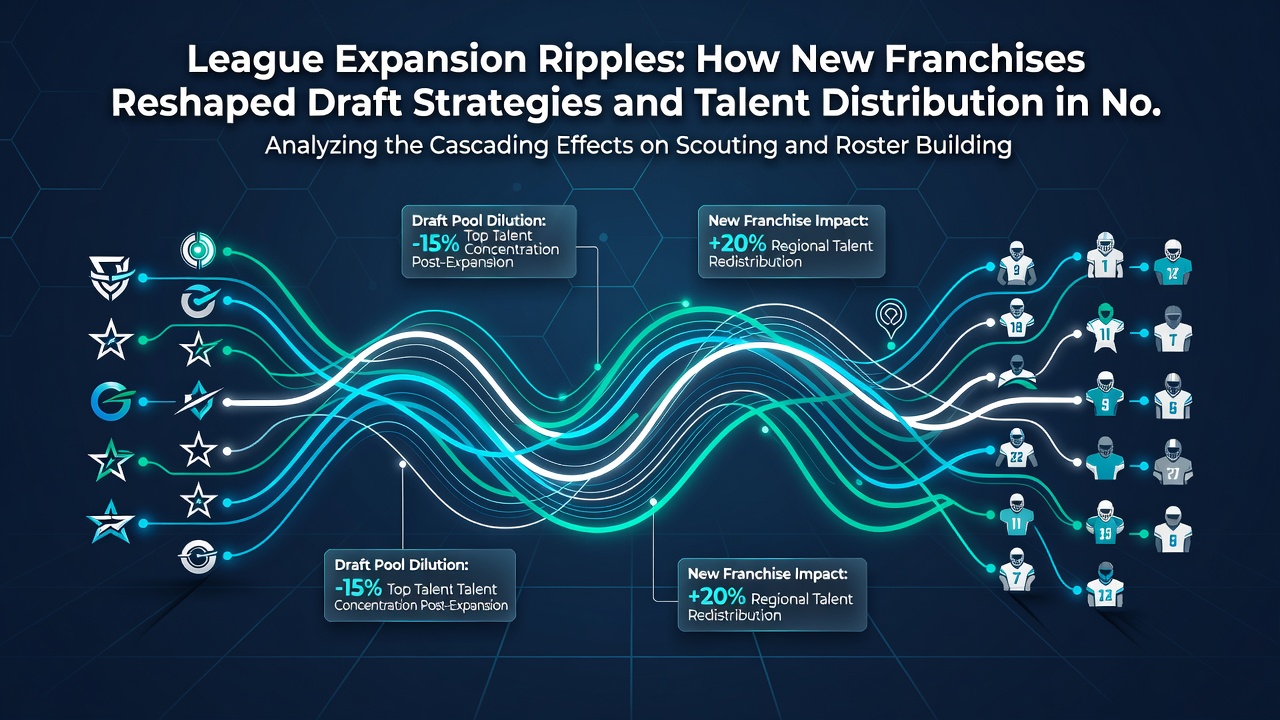
Expansion markets draw players through both drafts and trades, yet the effects extend to established clubs that lose depth and must adjust development strategies. Data tracked by league central offices shows the Kraken acquired multiple first-round picks in subsequent seasons through trades that originated from expansion-related roster moves, which then allowed Seattle to select players who filled immediate needs while stocking future classes. In the NFL, historical expansions such as the Houston Texans in 2002 created similar patterns where the new franchise received extra draft capital that shifted the balance of young talent toward the south.
By August 2026, ongoing discussions around additional NHL or NBA franchises in cities like Houston or Atlanta have prompted teams to model scenarios where further expansion drafts could expose additional prospects, leading some organizations to sign more bridge deals with restricted free agents. This proactive approach aims to maintain control over developing talent amid changing league structures.
Case Examples from Recent Expansions
The Vegas Golden Knights' early success after 2017 highlighted how expansion rules can accelerate roster building, as the team leveraged its draft position to acquire future assets while fielding a competitive group immediately. Observers documented a rise in prospect trades league-wide in the following two seasons, with data revealing that teams losing players to Vegas often received compensatory picks that redistributed talent to smaller markets. Seattle's entry produced comparable effects, particularly in the defensive corps, where several teams adjusted protection lists to retain core players and thereby exposed others who later contributed to new franchises.
MLB expansions have followed distinct paths historically, yet recent talks of growth in the 2020s have prompted similar strategic reviews. Teams now factor potential new clubs into long-term draft planning, prioritizing players with positional flexibility that could survive future protection lists or trade markets created by expansion.
Conclusion
League expansions continue to reshape draft strategies and talent distribution through structured rules and asset allocations that spread prospects across more teams. Records from the NHL, NBA, and other circuits demonstrate these effects through increased trades, altered protection schemes, and geographic shifts in young player placement that persist years after new franchises begin play. As discussions around further growth extend into 2026, organizations maintain focus on adaptable scouting and valuation methods to navigate the evolving landscape.