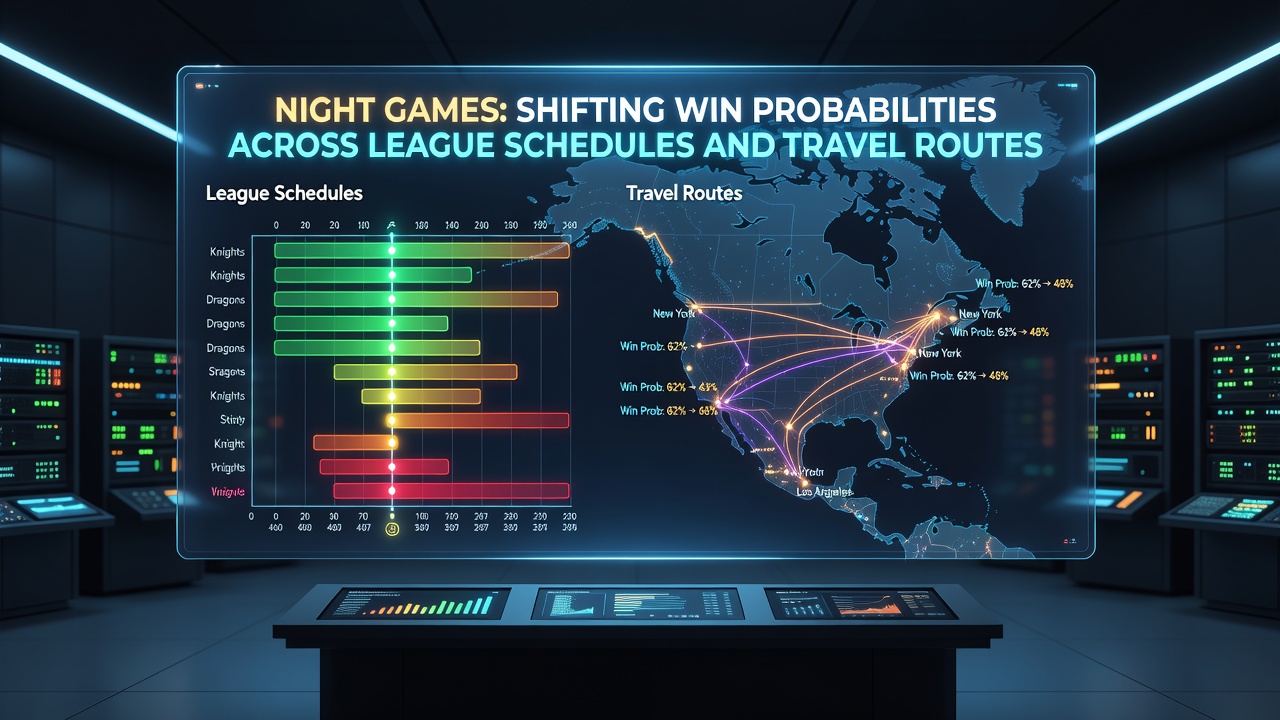
Evening Matchups Reshaping Success Metrics in Professional Leagues Through Schedule Demands and Travel Patterns
Written by Eden Lange · Aug 23, 2026
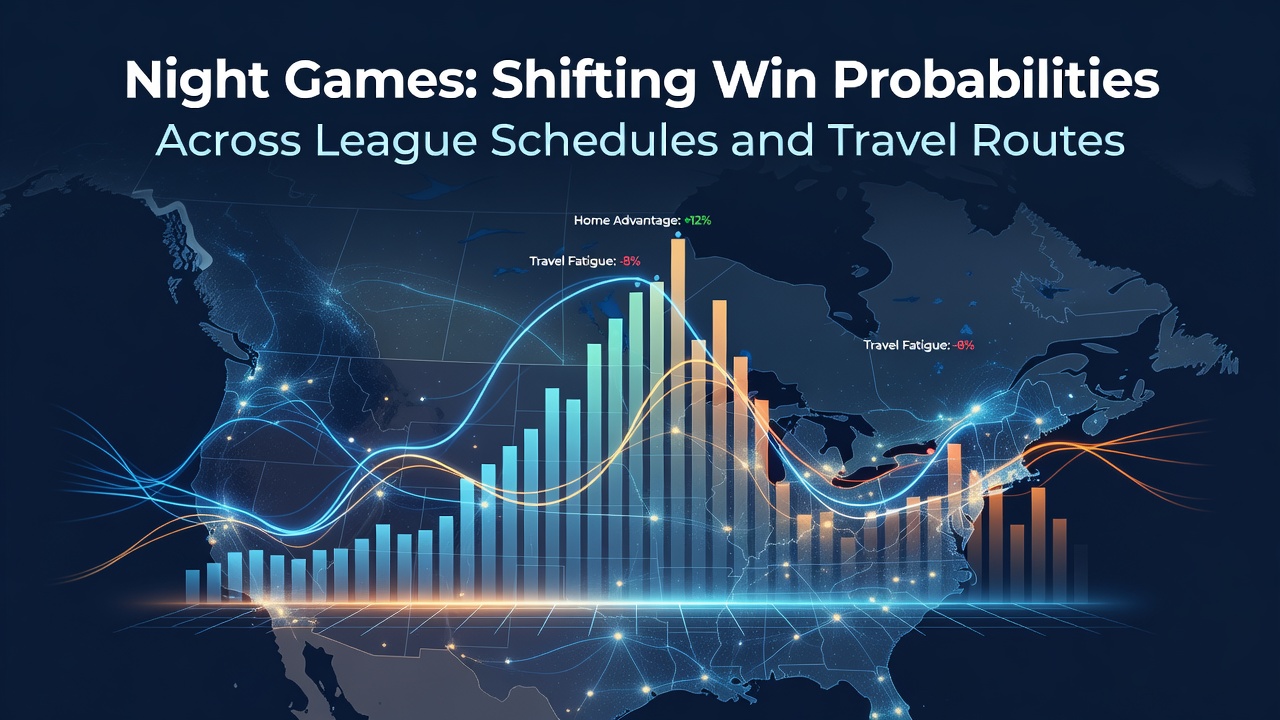
Evening Matchups Reshaping Success Metrics in Professional Leagues Through Schedule Demands and Travel Patterns
Night contests have long influenced team outcomes in major professional sports, and data from recent seasons shows how these games interact with packed calendars and cross-country travel to adjust win probabilities. Researchers tracking performance across MLB, NBA, NFL, and NHL note that evening start times often coincide with fatigue factors that emerge when clubs move between time zones or play multiple games in short windows. In August 2026, schedules for several leagues feature clusters of night games during peak summer and early fall periods, which creates measurable shifts in expected results according to statistical models used by league analysts. Travel routes add another layer because flights after night games frequently extend recovery periods for players. Studies from sports science programs at universities in North America and Europe indicate that westward travel after evening fixtures tends to reduce next-day performance more than eastward trips, largely due to circadian rhythm disruptions. Observers note that teams crossing multiple zones for back-to-back night games see win rates drop by several percentage points compared to home stands with similar scheduling.Schedule Density and Its Role in Evening Outcomes
League calendars pack games tightly during certain stretches, and night slots amplify the effects when teams face quick turnarounds. MLB data from the past five seasons reveals that clubs playing three or more night games within a seven-day span experience a measurable decline in offensive production, particularly when road travel intervenes between contests. NBA schedules show similar patterns where back-to-back evening matchups away from home correlate with lower shooting percentages and higher turnover rates. Analysts at research institutions have compiled figures showing that NFL teams traveling after a prime-time night game post lower point totals in their following contest, especially when the route spans three or more time zones. NHL records indicate that evening games on the road during condensed weeks lead to increased penalty minutes, which indirectly lowers win probabilities by altering game flow. These patterns hold across multiple seasons and appear consistent regardless of team strength entering the stretch.Travel Routes and Performance Adjustments
Routes matter because direct flights versus connections change arrival times and rest windows. Data compiled by Canadian sports research groups highlights that teams flying overnight after night games in western venues often face reduced effectiveness in subsequent eastern matchups. European studies on jet lag effects in soccer provide parallel insights, though the focus here remains on North American leagues where domestic travel distances create distinct challenges. Figures reveal that clubs using charter flights maintain slightly higher win rates than those on commercial routes following evening contests, largely because charters allow earlier departures and more controlled environments. In August 2026, several NBA and NHL teams face extended road trips that include multiple night games, and models project these sequences will influence divisional standings as the seasons progress.