Enduring Icons: How Classic Ballparks, Gridirons, Courts, and Rinks Maintain Devoted Followings Over Sleek Modern Replacements
Written by Eden Lange · May 22, 2026
Enduring Icons: How Classic Ballparks, Gridirons, Courts, and Rinks Maintain Devoted Followings Over Sleek Modern Replacements
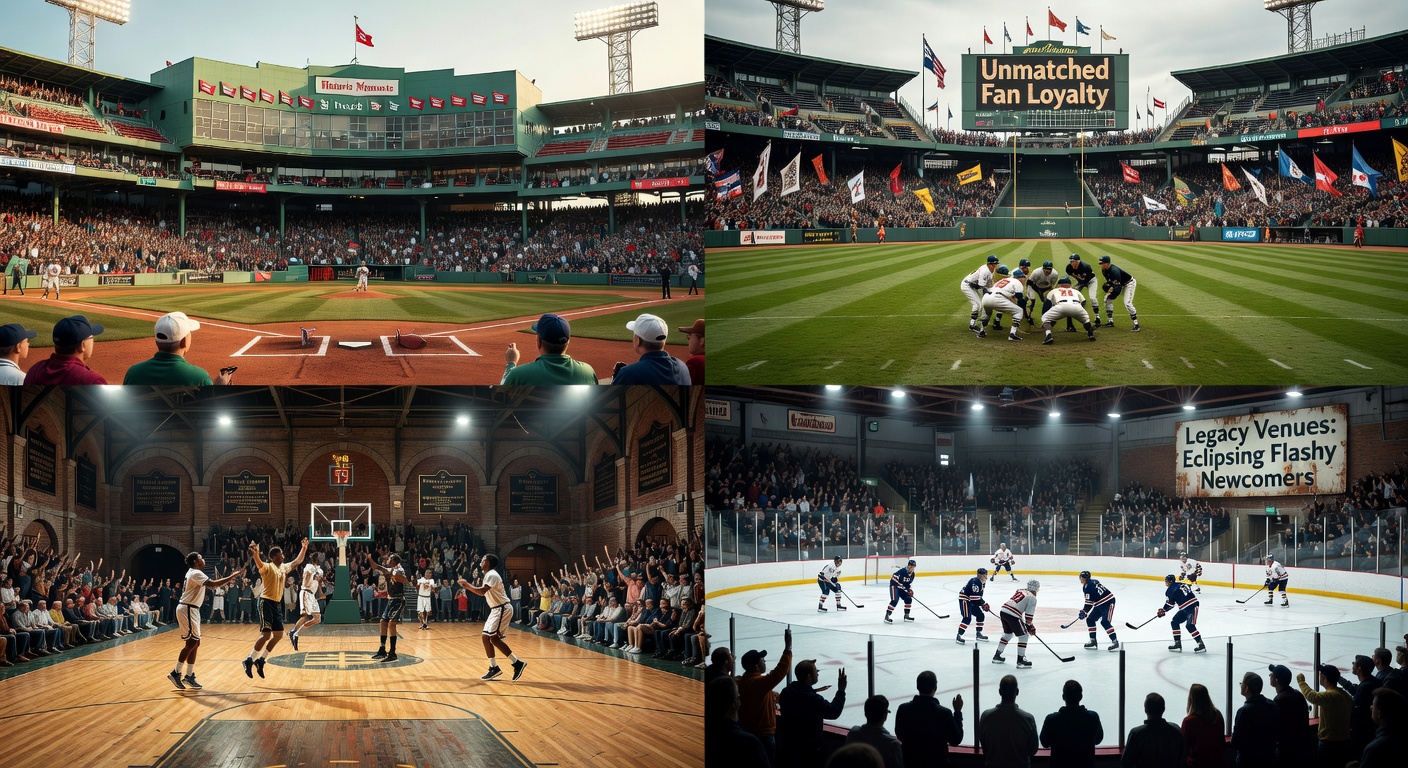
Baseball parks such as Fenway Park and Wrigley Field continue to draw crowds that newer facilities struggle to match, and the reasons trace back to layers of accumulated history rather than fresh amenities alone. Fans return year after year because those venues have hosted moments that get retold across generations, from record-setting home runs to championship clinchers that still surface in highlight reels. Data from attendance reports compiled by major league offices show that these older sites often sustain sellout streaks even when newer stadiums in the same markets offer climate-controlled seating and expanded concessions.
Football Fields Where Tradition Outweighs Technology
Lambeau Field in Green Bay stands as another example where legacy outweighs the pull of newer NFL venues, and observers note that the stadium's open-air design and surrounding neighborhood create an atmosphere that visiting teams describe as uniquely intimidating. teh Packers organization has played there since 1957, and records indicate consistent sellouts across decades regardless of team performance. Similar patterns appear at Soldier Field in Chicago, where the structure's Roman columns and lakefront location tie directly into the city's sports identity, and ticket demand remains strong during the regular season. Research from league archives reveals that these fields host events tied to specific anniversaries, which in turn boost repeat visits from families who treat the outings as annual rituals.
Basketball Courts Carrying Forward Decades of Drama
Indoor venues like Madison Square Garden in New York keep drawing basketball enthusiasts even as newer arenas enter the league landscape, and the Garden's central location plus its history of hosting both Knicks and Rangers games create overlapping loyalties. Statistics from the NBA indicate that games at this venue frequently post higher television viewership numbers compared to some expansion-era facilities, partly because viewers associate the building with iconic playoff series that unfolded there. Observers point out that the court itself has witnessed multiple championship parades starting from its steps, and those visual memories get passed down through fan communities that organize regular meetups around the arena.
Hockey Rinks Preserving Frozen Memories
Hockey facilities such as the United Center in Chicago or the Bell Centre in Montreal maintain strong attendance figures, and analysts attribute part of this endurance to the rinks' roles in hosting Stanley Cup victories that fans still reference in conversations. Figures from NHL attendance trackers show that legacy sites often lead in merchandise sales per game, suggesting that visitors connect purchases to the building's past rather than its current features alone. One study released by a Canadian sports research group found correlations between venue age and season-ticket renewal rates, with older rinks showing steadier retention during off-seasons when teams rebuild rosters.
As May 2026 approaches, teams prepare for the final stretch of their seasons, and legacy venues schedule special events that highlight past achievements to keep engagement high. These promotions include throwback nights and alumni appearances that newer facilities replicate yet rarely match in emotional resonance, according to fan surveys conducted by independent polling organizations.
Patterns Across Sports and Regions
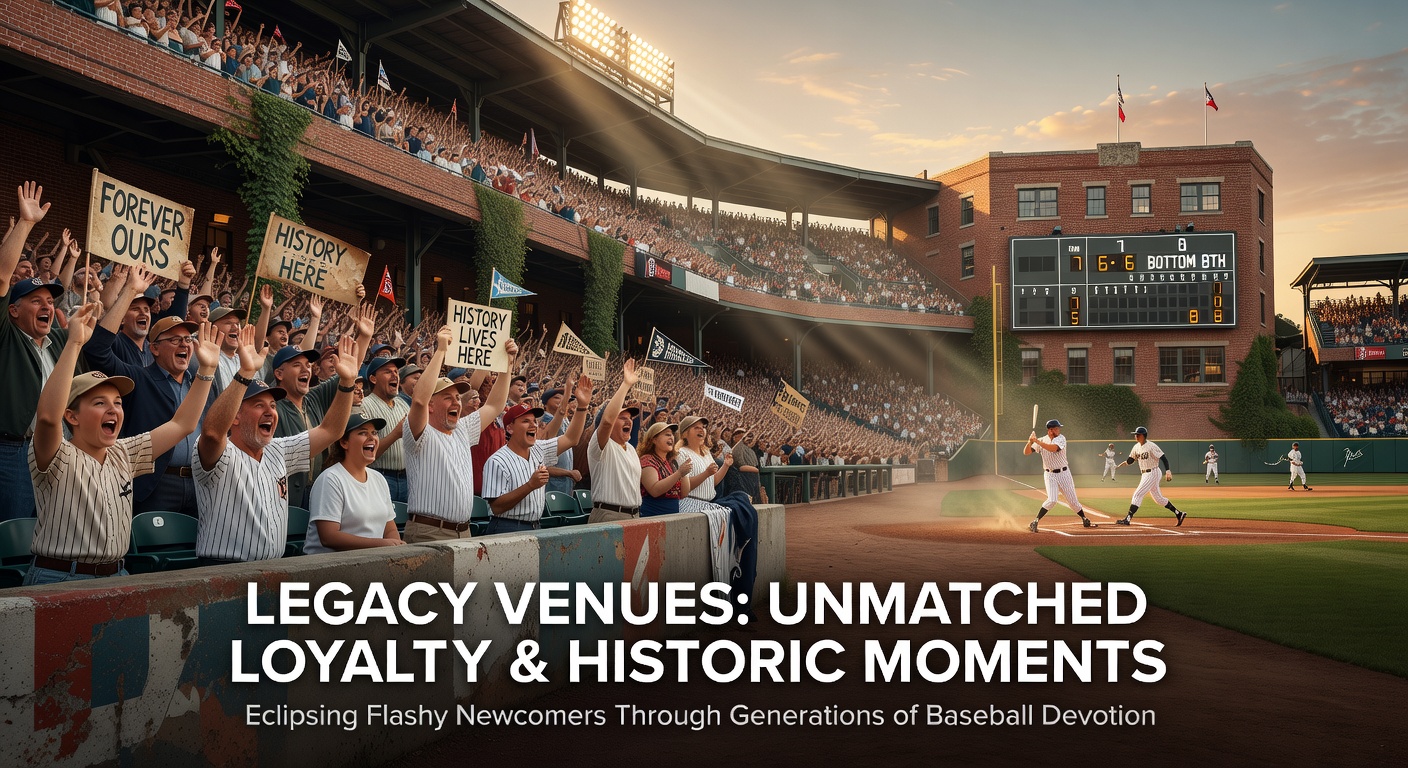
Across different leagues, attendance data compiled by sports economics researchers shows that venues with at least fifty years of continuous use often report higher average per-game revenue from concessions tied to traditional menu items that newer places update or remove. People who track these trends note that historic moments, such as record-breaking performances or dramatic comebacks, get commemorated through permanent displays inside the buildings, which then become focal points for tours and group visits. This setup creates self-reinforcing cycles where new fans learn the stories during their first trips and return to share them later.
Take one researcher who analyzed ticket data across North American leagues and discovered that legacy sites experience fewer no-shows even during midweek contests, and the pattern holds when compared against flashier replacements built within the last twenty years. There's this case where experts found that community events hosted at older parks, like youth clinics or charity games, strengthen neighborhood ties that newer suburban venues lack due to different surrounding infrastructure. Those who've studied this know the writing's on the wall when it comes to fan retention metrics favoring places steeped in narrative.
Challenges and Adaptations
Modern facilities invest heavily in digital integrations and luxury suites, yet reports from industry associations indicate that legacy venues counter by preserving core sightlines and acoustics that amplify crowd noise during key plays. Ballparks in particular retain manual scoreboards or manual elements that newer designs automate, and fans cite these touches as reasons they prefer the older experience. Data shows renewal rates for premium seating remain competitive at historic sites because buyers associate the tickets with status tied to the building's reputation rather than added comforts.
What's interesting is how international visitors sometimes plan trips specifically around these venues, and tourism boards in host cities promote the sites alongside other landmarks. Academic papers from university programs focused on sports management have documented how such venues contribute to local economies through extended visitor stays, with spending patterns that extend beyond game days into nearby businesses.
Conclusion
Legacy venues continue to hold their ground because accumulated history, documented moments, and community connections create bonds that design upgrades alone cannot replicate, and records from multiple leagues support this ongoing trend through consistent attendance and engagement figures. Those patterns suggest the balance will persist as long as the stories attached to each building remain central to how fans experience the games.