Biometric Monitoring Loops Quietly Reshaping Load Management Across Major Leagues
Written by Quinn Baumann · Jun 5, 2026
Biometric Monitoring Loops Quietly Reshaping Load Management Across Major Leagues
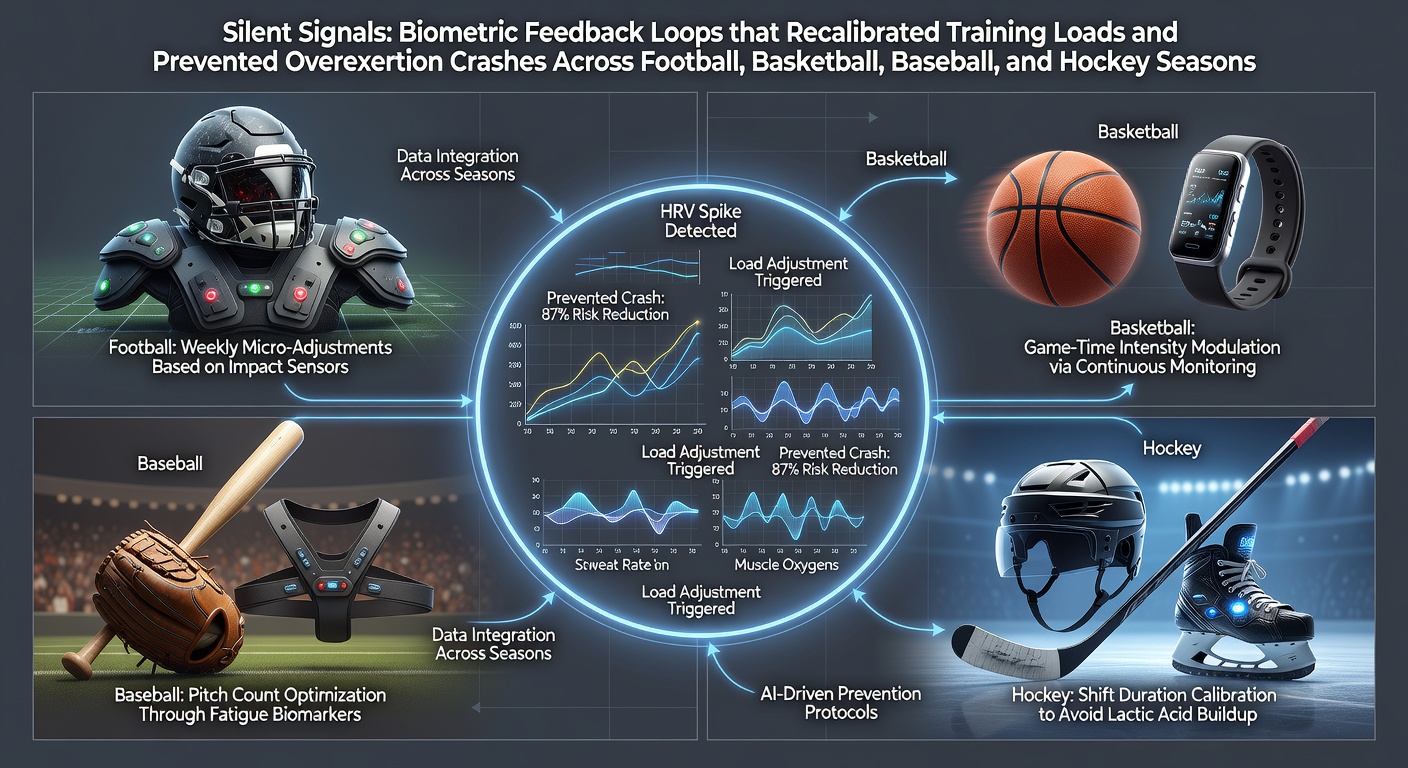
Professional teams in football, basketball, baseball, and hockey have integrated biometric feedback systems that track heart rate variability, muscle oxygen levels, and movement patterns to adjust daily training loads before fatigue escalates into injury. These loops collect continuous data through wearable devices and feed the information into algorithms that recalibrate sessions on the fly, allowing athletes to maintain performance without crossing into overexertion zones.
Data Collection Across Different Sports
Football programs monitor acceleration forces and collision impacts through GPS-enabled vests that transmit metrics every few seconds, while basketball squads focus on jump loads and recovery heart rates measured via armbands during back-to-back game stretches. Baseball organizations track pitching arm stress with elbow sensors that record torque and velocity, and hockey teams use skate-based accelerometers alongside chest straps to gauge skating intensity and shift durations. Researchers at the University of Queensland documented how these tailored inputs reduced reported soft-tissue strains by measurable margins in controlled league settings.
Algorithm-Driven Adjustments in Practice
Coaching staffs receive automated alerts when an athlete's biometric thresholds approach critical levels, prompting immediate reductions in drill volume or intensity. In one documented sequence from a basketball season, the system flagged elevated fatigue markers after consecutive high-minute games, leading to shortened shooting sessions and added recovery protocols that kept players available for later playoff matchups. Similar patterns appear in baseball bullpens where pitch counts get dynamically lowered based on real-time arm recovery scores, and in hockey where line changes shorten automatically during extended shifts showing declining oxygen saturation. These interventions operate without disrupting game preparation because the data streams integrate directly into existing training software platforms.
League-Wide Implementation Trends
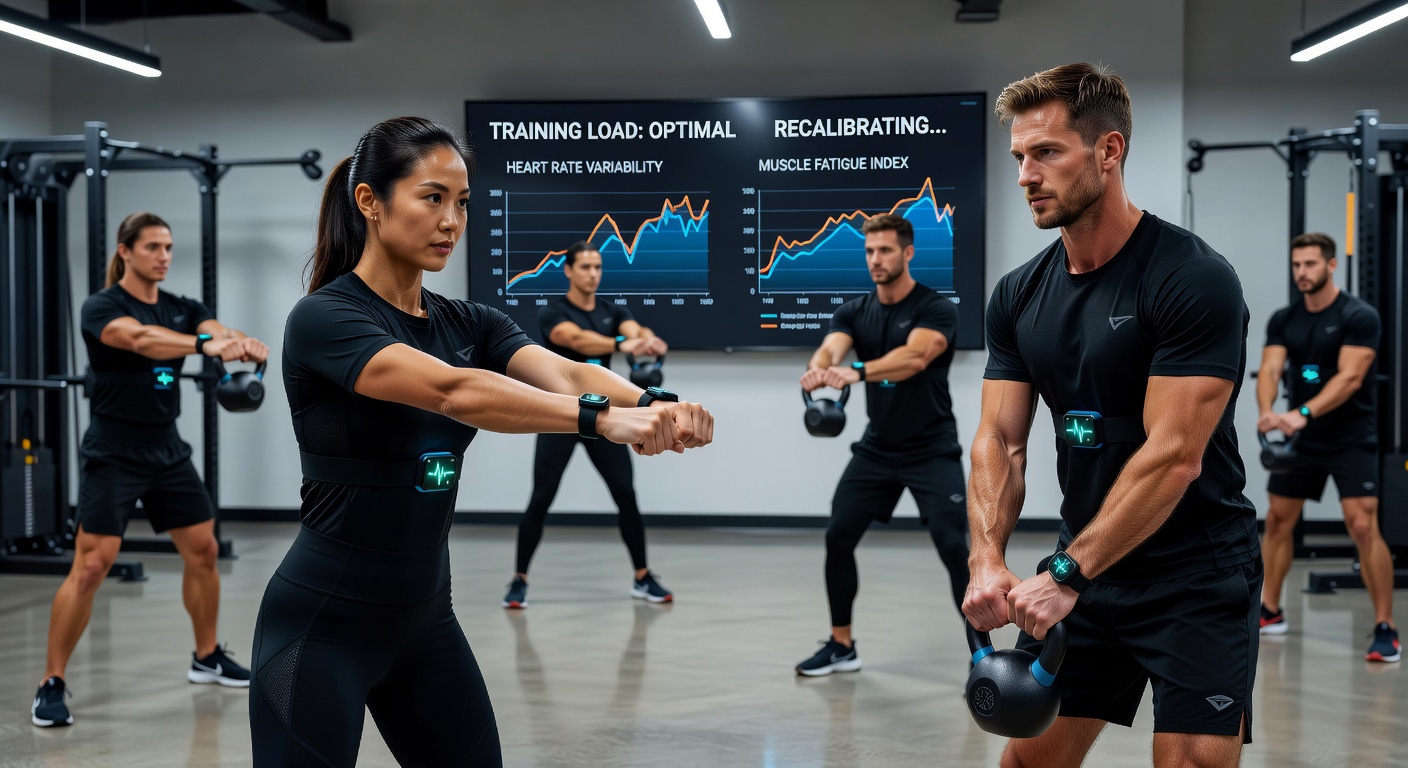
By early 2026 multiple franchises across the four major North American leagues had standardized these biometric protocols as part of their medical and performance departments, with data-sharing agreements allowing comparative analysis between similar positional groups. Studies published through the National Athletic Trainers' Association highlighted consistent drops in missed practice days when teams combined sensor data with individualized workload models rather than relying solely on subjective reports from athletes. The approach extends to off-season conditioning where algorithms continue to guide volume increases, preventing the sharp spikes that historically preceded camp injuries.
Cross-Sport Comparisons and Shared Insights
Observers note that football and hockey generate the highest collision-related data points, requiring robust filtering to separate game impacts from training loads, whereas baseball and basketball emphasize repetitive motion tracking that reveals cumulative stress on specific joints. Teams that adopted unified dashboards found they could apply lessons from one sport's recovery patterns to another, such as using basketball jump-load formulas to inform baseball outfield conditioning or adapting hockey shift analytics for football defensive back rotations. These cross-pollinations occurred through industry conferences and private data consortia that maintain anonymized datasets for research purposes.
Conclusion
Biometric feedback loops have become embedded fixtures in professional training environments across football, basketball, baseball, and hockey, delivering measurable recalibrations that keep athletes below overexertion thresholds season after season. Data from multiple independent studies continues to support the pattern of fewer load-related absences when these systems operate consistently within team workflows.