Altitude's Grip on the Game: How High-Elevation Venues Transform Performance Data Across Leagues
Written by Yves Hoffmann · Aug 21, 2026
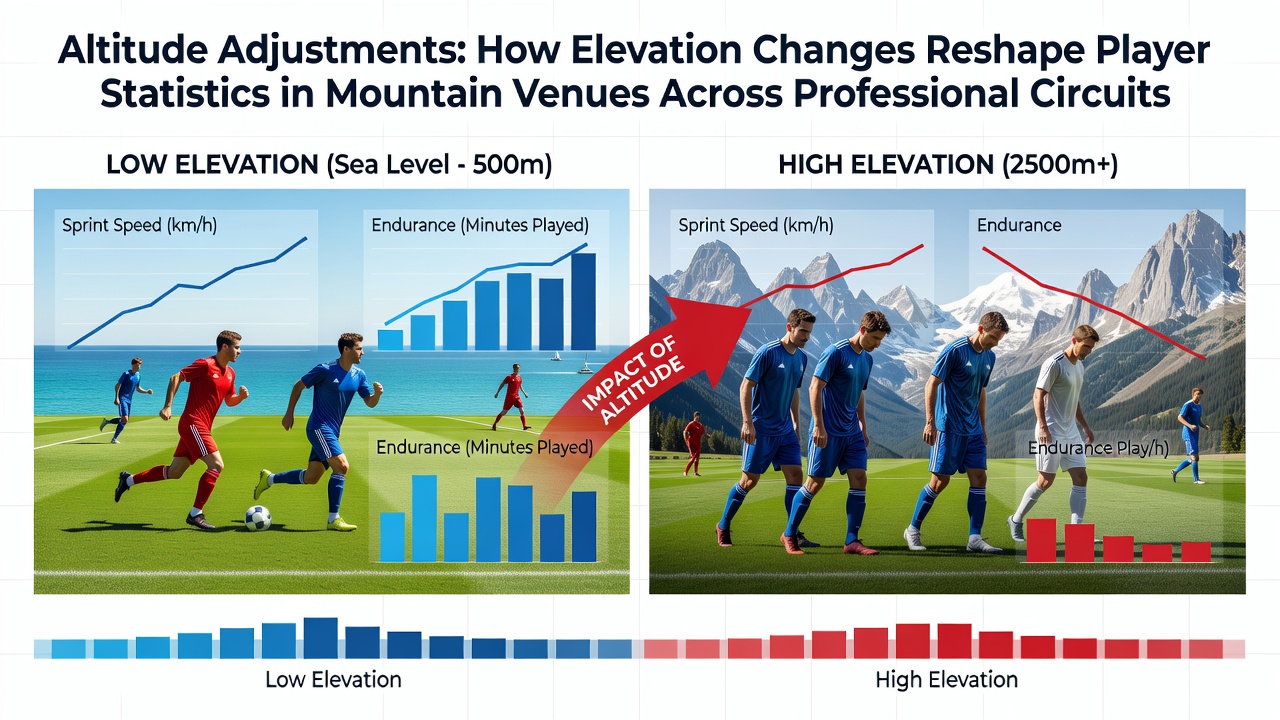
Altitude's Grip on the Game: How High-Elevation Venues Transform Performance Data Across Leagues
High-altitude venues create measurable shifts in player statistics because thinner air reduces air resistance and oxygen availability, and researchers have tracked these patterns across multiple professional circuits for decades. In Major League Baseball, Coors Field sits at 5,280 feet above sea level in Denver, where data shows home runs increase by roughly 20 to 30 percent compared with sea-level parks, while pitchers post higher earned-run averages due to the same environmental factors. Observers note that batted balls carry farther because the lower air density allows projectiles to maintain velocity longer before drag slows them down.
Baseball Metrics at Elevation
Studies from the Colorado Rockies organization adn independent analysts reveal that fly balls which would land in the warning track at other stadiums become home runs at Coors Field, and visiting teams often adjust their rosters by adding more pitchers with ground-ball tendencies to counter this effect. League-wide figures indicate that Rockies hitters maintain higher on-base percentages at home, yet road performance drops as players readjust to denser air at lower elevations. Teams have responded with specialized training protocols that include pre-series acclimatization camps, and data from the 2025 season onward continues to highlight these persistent gaps.
Effects Across Other Professional Circuits
National Football League games at Empower Field at Mile High produce similar patterns, where kickers record lower field-goal percentages because the thinner atmosphere alters ball trajectory and distance calculations. Research indicates that offensive coordinators call more passing plays in Denver because quarterbacks and receivers benefit from the reduced drag on throws, while defensive linemen experience quicker fatigue due to lower oxygen levels. In the National Basketball Association, the Utah Jazz home games at the Delta Center, located near 4,200 feet, show visiting teams posting slightly lower shooting percentages in the first quarter before physiological adaptation begins, according to tracking data compiled by league statisticians.
Soccer provides even clearer examples at extreme elevations. Matches in La Paz, Bolivia, at over 11,900 feet have historically produced higher goal totals because the ball travels farther and players from lower elevations tire faster, and governing bodies such as CONMEBOL have implemented rules requiring visiting teams to arrive days earlier for acclimatization. Data from international competitions shows that teams based at sea level suffer measurable drops in high-intensity running distance during the opening 30 minutes when playing at these sites.
Physiological Adjustments and Data Tracking
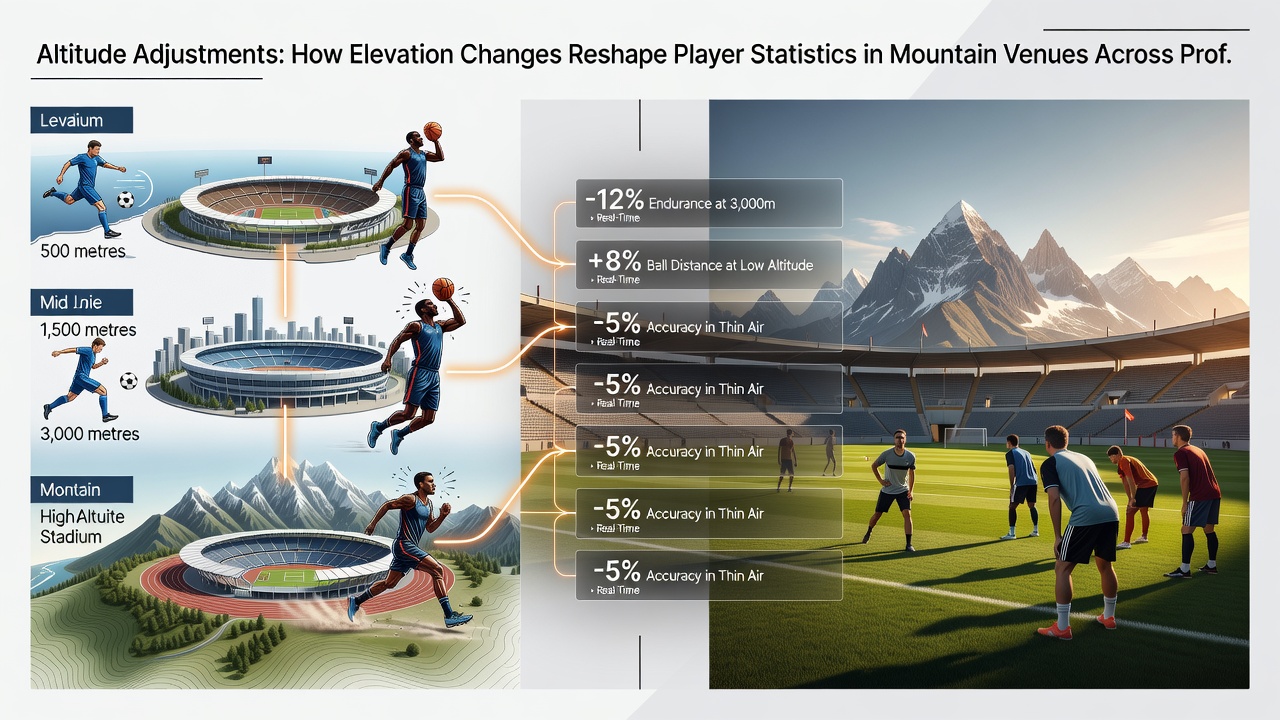
Medical researchers have documented how athletes experience reduced blood oxygen saturation at elevations above 5,000 feet, which leads to slower recovery between bursts of activity and changes in heart-rate variability during games. Organizations including the International Olympic Committee have funded studies that measure these responses across endurance and power sports, and findings show that repeated exposure over multiple days allows partial adaptation through increased red-blood-cell production. Professional teams now use wearable devices to monitor oxygen saturation and adjust substitution patterns accordingly, especially in August 2026 when several mountain venues hosted back-to-back series across baseball and soccer schedules.
Statistical models developed by sports analytics groups incorporate elevation as a variable when projecting player performance, and these models adjust expected home-run rates, passing-yard totals, and shot distances based on venue altitude. Leagues maintain separate home and away splits for players who compete regularly at high elevations, because aggregate numbers otherwise mask the environmental influence. Equipment manufacturers have also responded by developing balls with different seam patterns and internal pressures that behave more consistently across elevation changes.
Long-Term Patterns and League Responses
Over multiple seasons, franchises located at altitude have built rosters around athletes who demonstrate strong adaptation profiles, while visiting clubs rely on detailed scouting reports that highlight individual performance drops in thin air. Historical records from the 1990s onward document how Coors Field altered league-wide home-run totals during periods when the Rockies fielded strong lineups, and similar effects appear in minor-league affiliates that play at comparable elevations in the western United States. Governing bodies have considered but not implemented standardized ball specifications for mountain venues, leaving teams to develop their own preparation strategies based on available performance data.
Conclusion
Elevation continues to reshape statistical outputs in measurable ways across baseball, football, basketball, and soccer, and organizations rely on accumulating datasets to refine preparation, roster construction, and in-game decisions. The patterns observed at venues such as Coors Field and highland soccer stadiums demonstrate that environmental factors produce consistent, quantifiable impacts that persist even as training methods and technology evolve.